
In this edition of Policy Unpacked, Madeleine Clarke explores how an effective and efficient Northern Ireland Environment Agency (NIEA) is essential to both protecting Northern Ireland’s environment and meeting our renewable electricity goals.
World Nature Conservation Day is a day to recognise the importance of protecting our natural environment. Climate change and biodiversity loss are interrelated crises. Progress on these issues is often treated as if they are in conflict. In fact, neither can be effectively tackled without the other. Renewable energy projects, vital in addressing climate change, must be built alongside measures to protect the environment and promote biodiversity. Policymakers, regulators and industry must ensure progress on both objectives is delivered in tandem.
The Northern Ireland Environment Agency (NIEA) sits at the centre of this challenge. As a key statutory consultee within the planning system, the agency plays a vital role in assessing the environmental impacts of a wide range of developments (including renewable energy projects). It plays a crucial part in ensuring nature is protected. Its performance has a direct influence on the pace at which renewable energy projects can move through the planning system and contribute towards Northern Ireland’s climate targets.
This role is particularly important right now. Northern Ireland has committed to generating 80% of its electricity generation from renewable sources. Achieving that target will require a significant increase in renewable energy deployment, including onshore wind, solar and energy storage.
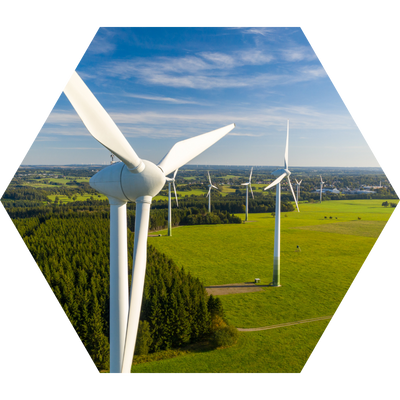
Timely planning decisions (alongside other reforms such as implementing the Renewable Electricity Generation Bill and increasing grid capacity) will be critical in ensuring renewable projects can be delivered at pace.
NIEA and Planning Delays
Planning delays remain a significant challenge in Northern Ireland. The Department for Infrastructure’s 2025 / 26 Q3 planning statistics showed that in the first 9 months of 2025 processing times for major applications (which larger renewable energy projects will be classed as) exceeded the thirty-week statutory target by over 8 weeks. This was a slight improvement compared to the same period the previous year but still shows there remain significant blockages in the planning system.
While responsibility does not rest with any single organisation, statutory consultee performance plays a significant role in these delays.
RenewableNI members continue to experience delays in NIEA consultation response times.
These delays have significant consequences. For developers and investors, prolonged planning timelines increase project financing costs and risk project viability. For communities, they create uncertainty and delay investment, employment opportunities and community benefit funding. For Northern Ireland as a whole, they reduce the time available to achieve climate and energy security goals. It is important that NIEA has the resources and systems in place to respond to consultations efficiently.

Communication and Engagement
Across the renewable energy sector, communication and engagement from NIEA has been a persistent concern. An inability for developers to engage early and directly with NIEA creates unnecessary delays throughout the statutory consultation process.
A well-functioning planning system depends on early dialogue, clear expectations and constructive engagement between applicants, planning authorities and statutory consultees.
To ensure outstanding renewable energy cases are dealt with as quickly as possible, developers would welcome the opportunity to hold a roundtable with NIEA to directly discuss their applications with the relevant case officer. In future, having the ability for developers to engage directly with case officers would create an easier and more efficient consultation process. Unclear and inconsistent communication means issues escalate unnecessarily. It leads to further delays, a lack of trust and frustration for all involved. Open and honest communication between applicants, statutory consultees and local authorities builds trust between parties. It means problems can be dealt with quickly and efficiently.
NIEA: Planning Improvement Plan
It is encouraging that in a recent RenewableNI / Department for Infrastructure Renewables in Planning workshop, NIEA openly acknowledged the challenges it faces and has committed to addressing them. The agency has identified several barriers to timely responses.
These include, but are not limited to:
- Inconsistencies in practices across planning authorities;
- Limitations within its existing case management system;
- Challenges in the standard of customer service and stakeholder engagement;
- And ongoing resource constraints.
Recognising these problems is an important first step. NIEA state they have started to implement measures to improve performance. These include short-term actions such as undertaking a targeted triage of outstanding cases and allowing a multi-officer approach for major renewable energy applications. Medium- and long-term proposals include redesigning guidance and webpages; implementing stronger stakeholder engagement arrangements; implementing a new digital case management system; and improved use of data and intelligence. NIEA are planning to create additional posts and implement a staff training programme. They are aiming to allocate additional resources to their renewables team.
RenewableNI welcomes NIEA’s acknowledgement of the challenges within the agency and welcomes the measures being proposed to address them. However, the effectiveness of the Planning Improvement Plan will ultimately be judged by its outcomes. Consistent and faster consultation response times, clear communication channels and improved engagement will be the ultimate indicators of success.
Conclusion
Northern Ireland needs a planning system that delivers both environmental protection and renewable energy deployment. These objectives do not have to be in conflict. A planning system that protects nature while enabling well-designed renewable energy projects is essential if Northern Ireland is to tackle the twin crises of climate change and biodiversity loss.
NIEA plays a central role in achieving that balance. Its Planning Improvement Plan is a positive and welcome development. It demonstrates a willingness to acknowledge the problems within the agency and suggests there is a commitment to improved performance and stronger engagement. RenewableNI is ready to support the successful implementation of the Planning Improvement Plan. The success of the plan will ultimately be judged by improved consultation response times and improved engagement with applicants.
A well-resourced and responsive NIEA will be essential if Northern Ireland is to both protect its natural environment and achieve its 80% renewable electricity target.

